New! Testing and treatment for nitric oxide deficiency now available at Carolina Healthspan.
Nitric oxide is a molecule that our body produces to help its 50 trillion cells communicate with each other by transmitting signals throughout the entire body.
Nitric oxide has been shown to be important in the following cellular activities:
How to increase nitric oxide in your body:
The most common way to increase nitric oxide is through exercise. When you increase activity your muscles need more oxygen, which is supplied by the blood. As the heart pumps with more pressure to supply the muscles with blood, the lining in your arteries releases nitric oxide into the blood, which relaxes and widens the vessel wall, allowing for more blood to pass through. Another way to increase nitric oxide is through diet, most notably by consuming the amino acids L-arginine and L-citrulline. Arginine, which can be found in nuts, fruits, meats and dairy, directly creates nitric oxide and inside the cell.
As we age, our blood vessels and nitric oxide system become less efficient due to free radical damage, inactivity, and poor diet, causing our veins and arteries to deteriorate. Athletes and youth have the most optimal nitric oxide systems, reflecting their energy and resilience.
Testing for nitric oxide deficiency is inexpensive and can be done at home with a simple saliva test first thing in the morning.
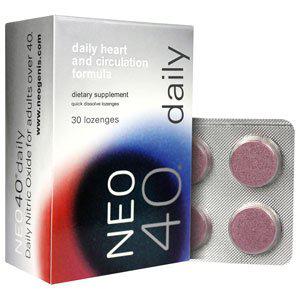
If you are deficient in nitric oxide, we suggest NEO40, a nitric oxide supplement backed by years of positive research. This supplement is a chewable tablet containing Vitamin C, Vitamin B12 and a proprietary blend of Beet Root Powder, Hawthorne Berry Extract, L-Citrulline and Sodium Nitrate. The dose is adjusted based on your level of deficiency and response. Both the nitric oxide test strips and the NEO40 supplement are now available at Carolina Healthspan.
Correcting nitric oxide deficiencies due to stress, aging, inactivity, smoking, high cholesterol, fatty diets, and lack of healthy foods, can help increase your energy, vitality and overall wellness.
CAUTION: If you are under treatment for an existing heart condition or abnormal blood pressure, please consult Dr. Brown or your Cardiologist before taking supplements to increase nitric oxide levels.
Why Your Diagnostic Strategy Should Never Start With a Lab List At Carolina HealthSpan Institute (CHI),…
Performance, Intimacy & Confidence This February, we’re shifting the focus beyond romance to something deeper:…
A new year is the perfect time to reset, refocus, and invest in your health.…
The Men’s Vitality Method was created for men who refuse to settle for “normal.” Rooted…